How the SEC's Strongest Teams Are Separating From the Pack
The Southeastern Conference remains one of college football's most demanding environments, where roster depth, coaching stability, and tactical flexibility distinguish leading contenders from their challengers. Competition extends beyond individual matchups, with recruiting, preparation, and resources shaping the balance of power.
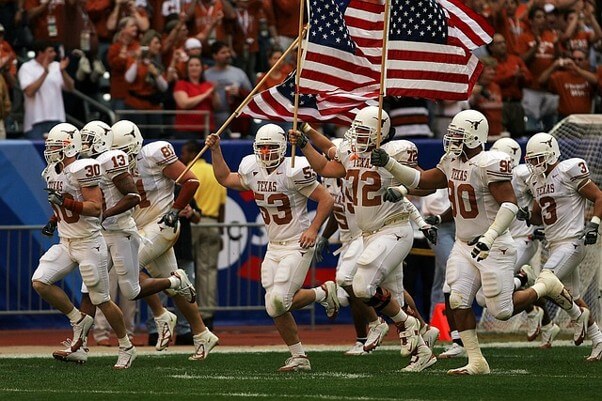
Texas, Georgia and Alabama offer three examples of how roster management, coaching continuity and offensive production contribute to a championship campaign. Their results provide a starting point for examining those strengths, while opponent quality and player availability add context. Evaluating each program requires distinguishing completed performances from expectations about the remaining schedule.
Texas's Championship Case Requires More Than Roster Talent
Texas has established itself as one of the SEC's most complete teams through an emphasis on roster construction. The Longhorns prioritize strength across both lines of scrimmage, recognizing that physical control often determines success against demanding conference opponents. Their approach focuses on developing capable replacements alongside established starters, reducing dependence on individual contributors.
The transfer portal has become central to that strategy. Texas can address positional weaknesses through targeted recruitment while maintaining competition throughout the roster. This flexibility allows the Longhorns to respond when injuries or departures create gaps. Programs with fewer established alternatives often struggle to maintain comparable performance under similar circumstances.
Rivalry matchups provide an important examination of that depth. Physical contests pressure offensive protection, defensive rotations, and tactical adaptability. Texas must demonstrate that its personnel advantages translate into coordinated execution rather than relying exclusively on individual ability. Those comparisons can also shape SEC championship odds, as roster strength remains a key factor when evaluating conference contenders.
Recruiting establishes the personnel available to Texas, but game performances show how effectively those players contribute. Several details help assess roster depth:
- Meaningful snaps: Which replacements contribute while games remain competitive.
- Responsibilities after injuries: How absences change rotations and assignments across affected positions.
- Performance against stronger opponents: Whether replacement players maintain production as the quality of opposition increases.
Together, these details provide a firmer basis for assessing depth than assuming recruiting strength establishes an advantage at every position.
Georgia Turns Consistency Into a Competitive Weapon
While Texas emphasizes roster construction, Georgia's competitive identity rests on established leadership and continuity. Kirby Smart has developed a coaching approach centered on disciplined preparation, clear expectations and tactical consistency. That foundation helps the Bulldogs maintain recognizable standards even when personnel changes alter individual responsibilities across the field.
Defense remains central to Georgia's approach. Coordinated assignments, physical tackling and disciplined positioning allow the Bulldogs to challenge opponents without depending on isolated performances. The defensive system emphasizes collective responsibility, making it difficult for opposing offenses to exploit individual weaknesses. Such continuity supports dependable execution against contrasting offensive styles.
NCAAF analysis shows that Georgia also distinguishes itself by controlling matchups against less accomplished opponents. Rather than relying exclusively on explosive attacking sequences, the Bulldogs emphasize field position, defensive pressure and sustained offensive possession. This approach can limit opponents' chances to build momentum while reducing the impact of unpredictable individual plays.
The advantage extends beyond tactical execution. Coaching stability provides continuity in recruitment, development and preparation, allowing Georgia to maintain a consistent identity across changing rosters. Where Texas relies heavily on personnel flexibility, the Bulldogs demonstrate how established systems can preserve competitive standards. That distinction makes Georgia an important benchmark for SEC challengers seeking sustainable improvement.
Alabama's Ceiling Rises With Offensive Development
Alabama's offensive development adds another dimension to its championship case. Coaching adjustments and quarterback progression expand the available options, while conference opponents test whether those improvements translate into consistent production.
Quarterback Progression Expands the Passing Game
Quarterback development involves reading coverage, making timely decisions and delivering accurate passes. Those skills help an offense attack different areas of the field, particularly when defenders concentrate on containing the rushing game. Protection and receiver execution remain essential to turning those decisions into completed plays.
Conference Defenses Test Offensive Adaptability
Strong defensive opponents test how effectively Alabama protects its quarterback and adjusts when its preferred plays stop producing gains. Route coordination, protection assignments and responses to pressure provide specific areas to examine, especially when scoring opportunities become limited.
Maintaining productive rushing and passing options gives the coaching staff more ways to respond. Alabama's offensive assessment therefore depends on execution across different matchups, with subsequent performances revealing whether those options remain effective against stronger opposition.
Resources Shape Roster Decisions Across the SEC
Financial resources, recruiting opportunities and player development influence how SEC programs assemble their teams. Assessing those factors requires examining recruitment, retention and on-field contributions rather than assuming that financial advantages establish a widening competitive gap.
Player Compensation Adds to Roster Planning
The financial environment includes both direct institutional athlete compensation and third-party name, image and likeness agreements. These arrangements add considerations to recruiting and retention, alongside coaching relationships, development opportunities and available playing time.
Attracting established players addresses only part of roster construction. Coaching staffs also need to integrate newcomers, develop returning players and prepare replacements for specific responsibilities. Evaluating that process requires evidence of how recruits contribute once games begin.
Player Usage Reveals Available Depth
Conference schedules test the alternatives available when injuries or fatigue affect starters. Snap distribution, rotation patterns and replacement performance show how effectively a team shares responsibilities across its roster. Experience at one position does not establish comparable depth elsewhere.
Financial capacity belongs in that assessment alongside evaluation, development and execution. Establishing that the gap between programs is widening would require comparisons across several seasons, while this season's player usage and results provide a basis for examining current strengths.
What Sustains Success in the SEC
The SEC's competitive landscape illustrates how different strengths contribute to sustained success. Texas emphasizes comprehensive recruitment, Georgia benefits from established coaching continuity, and Alabama demonstrates the importance of offensive development. Each approach provides advantages against opponents facing different structural limitations.
However, talent and resources alone cannot guarantee consistent performances. Effective preparation, tactical flexibility and dependable execution remain essential throughout demanding conference competition. The teams best equipped to combine those qualities with sufficient roster depth will continue shaping the SEC's competitive hierarchy and challenging for the conference's most significant honors.
How the SEC's Strongest Teams Are Separating From the Pack to SEC Sports Fan Blog


Please Visit our Amazon, Ebay, Etsy and Better Display Cases stores.
Like this Page
Visit Our Social Media Pages
 |
 |
 |
New! Facebook Comments
Leave a comment about this article in the box below and share it with your Facebook friends.